


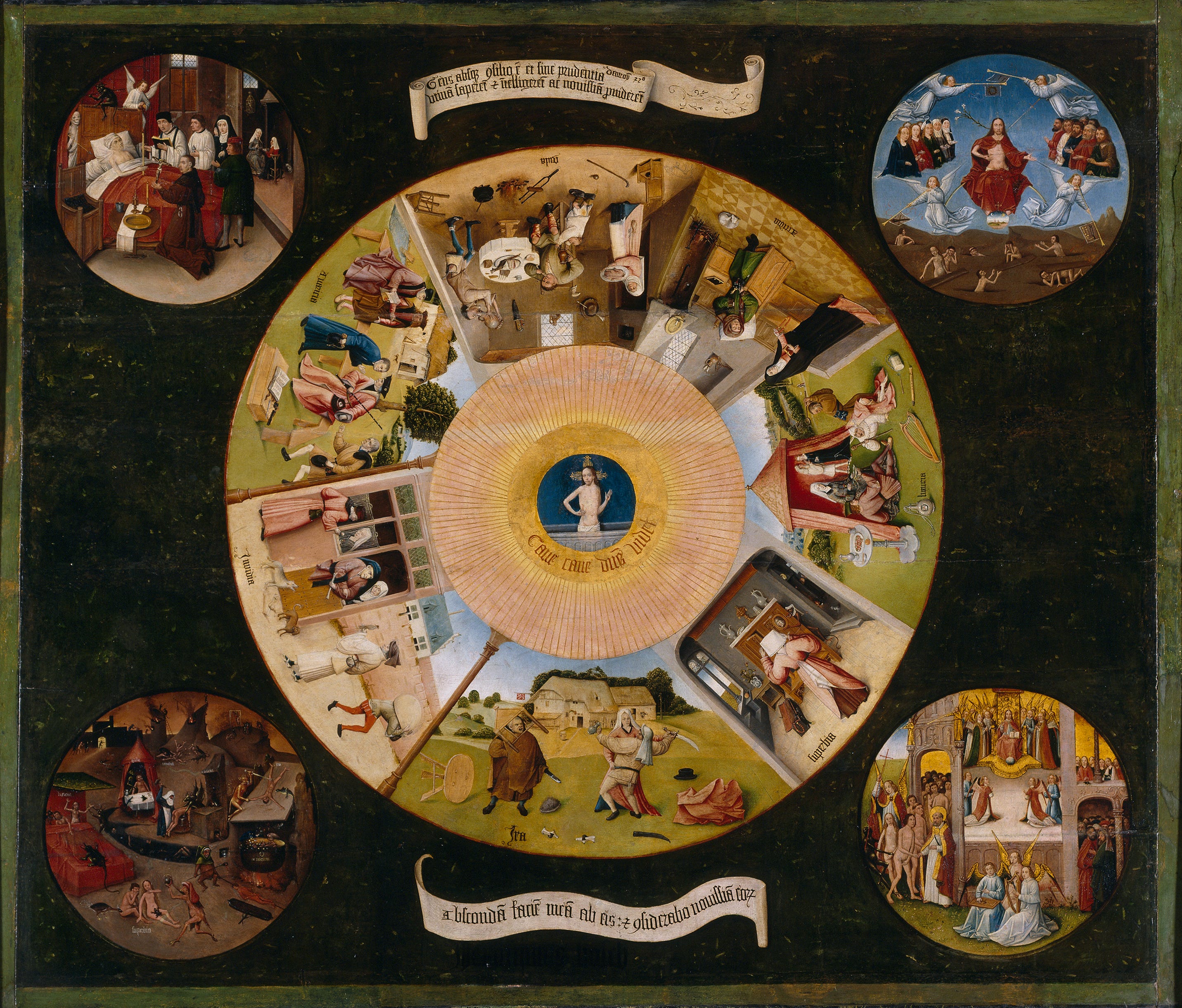
Perhaps you’ve heard of the “Seven Deadly Sins”. They are very scary sounding. Most people have the impression that the idea of the Seven Deadly Sins was a medieval scare tactic- something invented by the church to scare peasants with hellfire. Clear categories. Dramatic art. Fiery Sermons. Moral crimes that lead to damnation. The reality is much different. They originated much earlier than the medieval period, and they weren’t a scare tactic, but rather a navigational tool. They were a map of the mind and soul. So what are the Seven Deadly Sins? And what is the truth about them?
The Origin
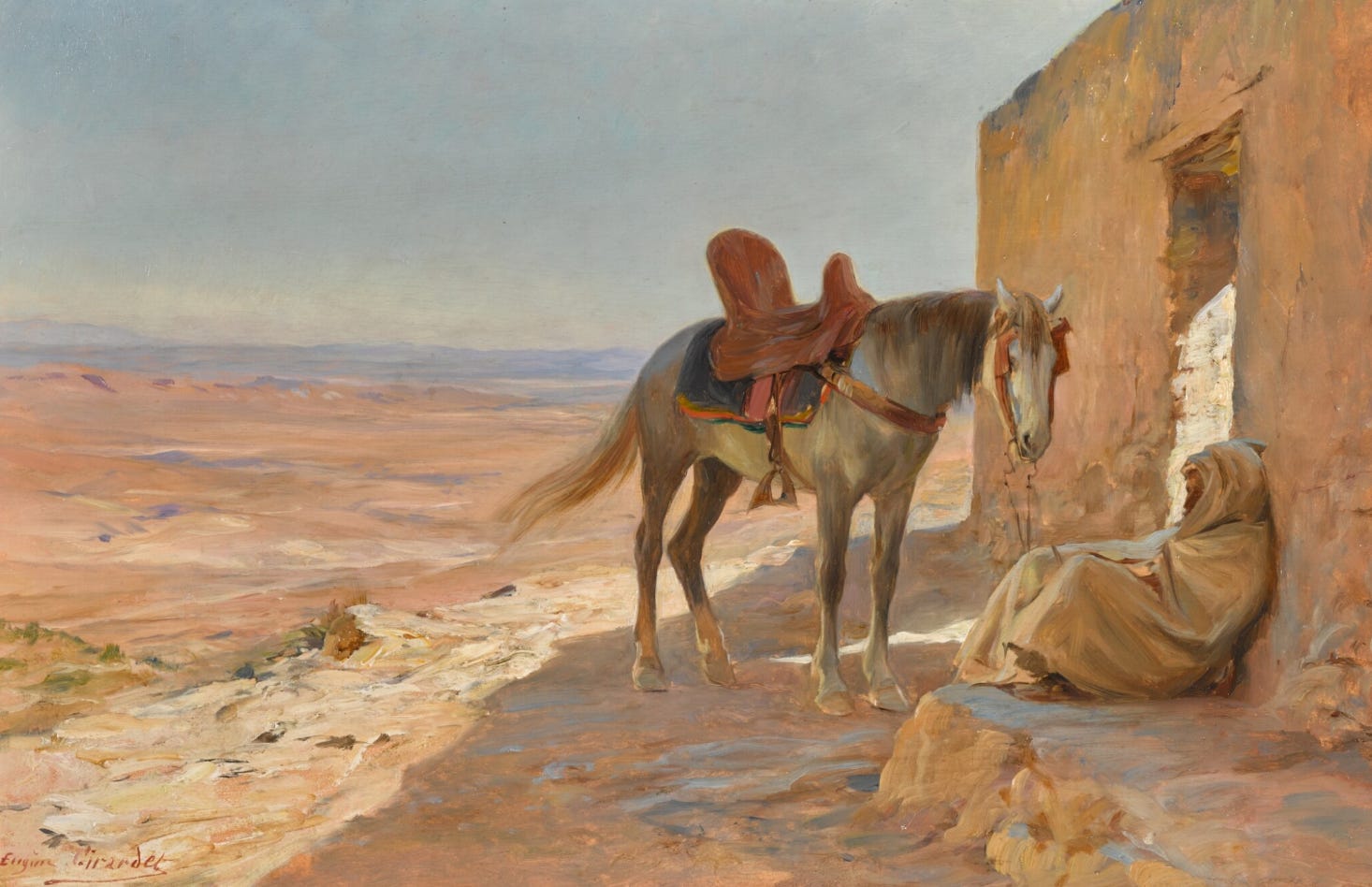
In the 4th century, there was a Greek monk from Pontus (modern day Turkey) named Evagrius Ponticus. He left the Roman world for the deserts of Egypt to pray and meditate. Educated and theologically trained, he studied under the Great Cappadocian Fathers, Basil of Caesarea and Gregory of Nazianzus before embracing the ascetic life. In the solemnity of the desert, he began analyzing the inner life and identified eight recurring “logismoi”- destructive thought patterns that disturb the soul. For Evagrius, these were not merely moral failings, but spiritual and mental obstacles that block the mind from the divine and prevent pure prayer. These “logismoi” were later reorganized by Gregory the Great in the sixth century into the Seven Deadly Sins. So what are these seven sins?
1) Pride
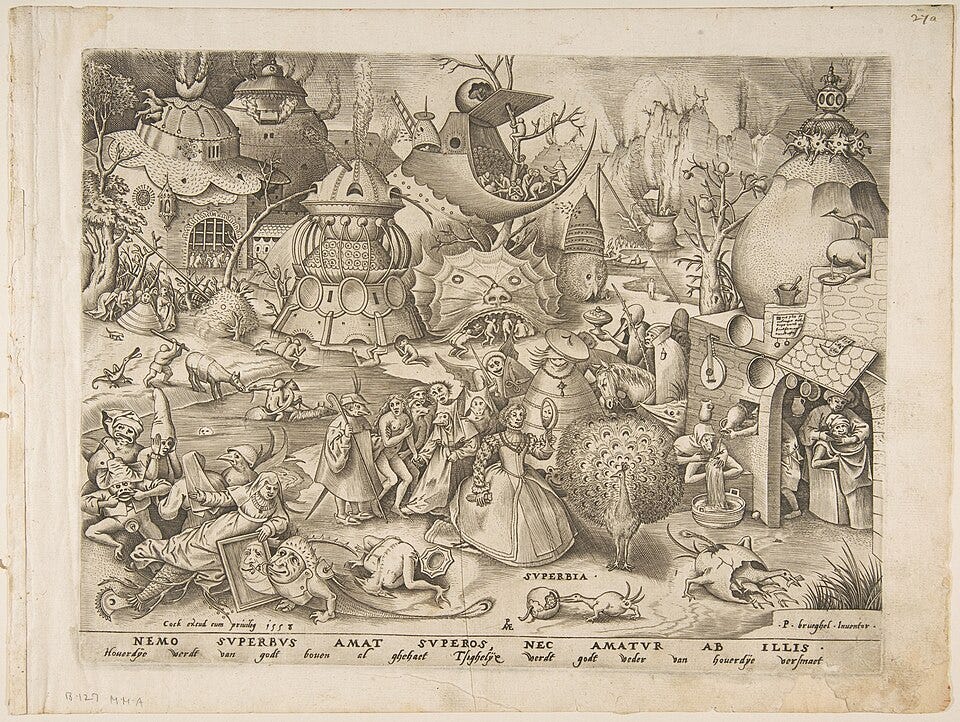
Pride is the mind curved inward. It delights in superiority. The Proverb, “Pride goes before a fall”, is getting at Evagrius’s exact view of pride. It is blinding. It darkens the intellect and prevents you from connecting with anything outside of yourself. Few terms describe it better than this one (that almost certainly did not exist in antiquity)- Main Character Syndrome. It makes you incapable of humility, without which you cannot receive God. It isolates the soul from light.
2) Envy
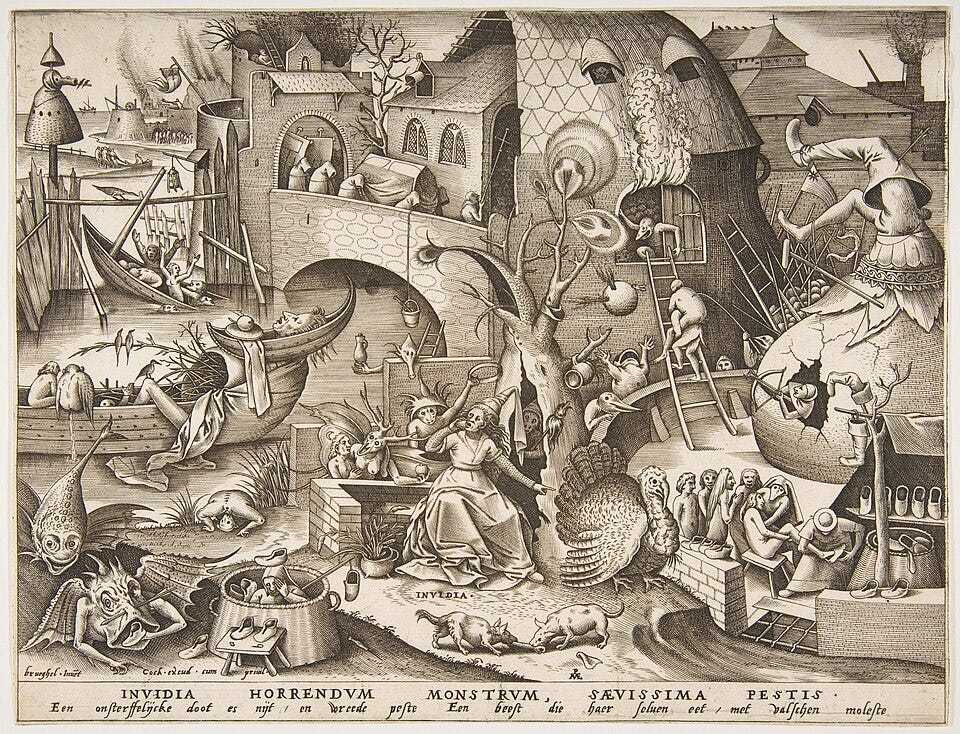
Envy is sorrow at another’s good. The opposite of gratitude, it is a corrosive force. It is a poison that, similar to pride, turns you inward. It prevents you from being able to celebrate other people’s wins. As a result, it makes you disconnected from others. It turns empathy into resentment.
3) Wrath
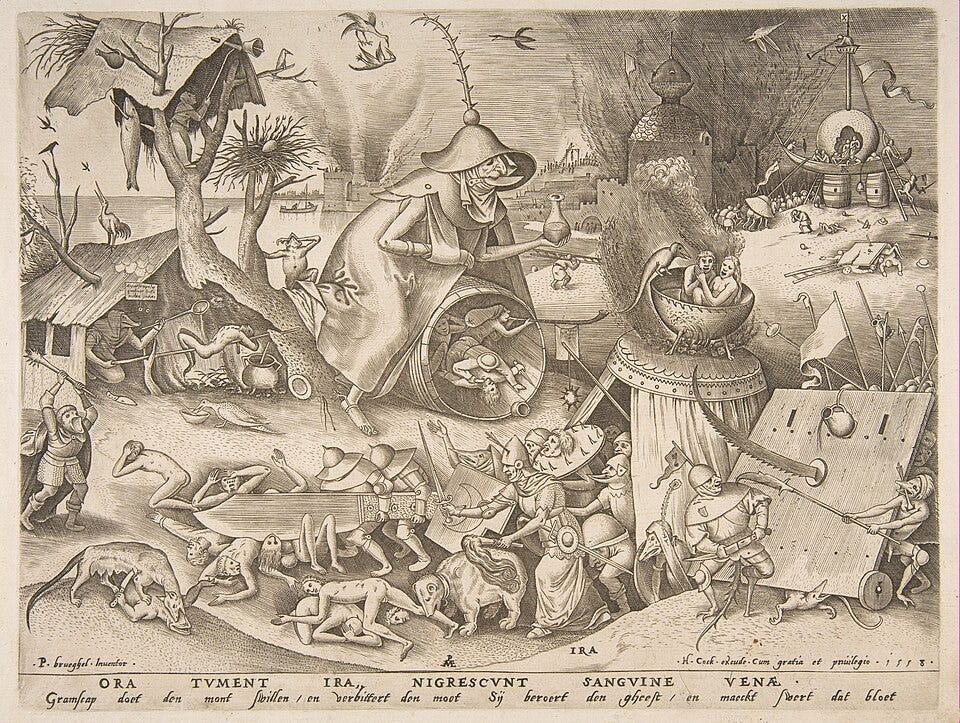
The great agitator of the soul. Anger itself is not always evil, but when unjust anger takes root, it shatters inner peace. It is not only a destructive force to others, but to the self. It makes the mind noisy and eliminates the possibility of true contemplation, without which, connecting with God becomes impossible.
4) Sloth (Acedia)
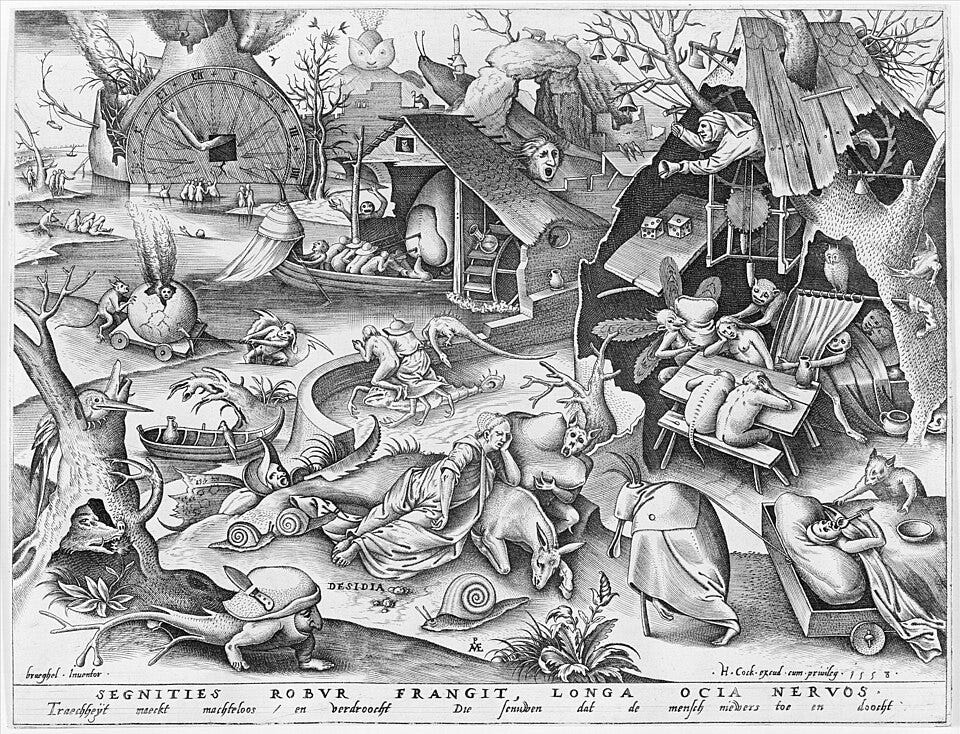
Acedia is not laziness, but a kind of spiritual exhaustion. It is restlessness and disgust with prayer. It is the feeling a skeptical teenager gets when he is dragged to church by his parents- “what’s the point of all this stupid stuff?”. Nihilistic at its core, it is when the divine becomes dull and the world seems drained of meaning. It is the apathy that results from disenchantment.
5) Greed
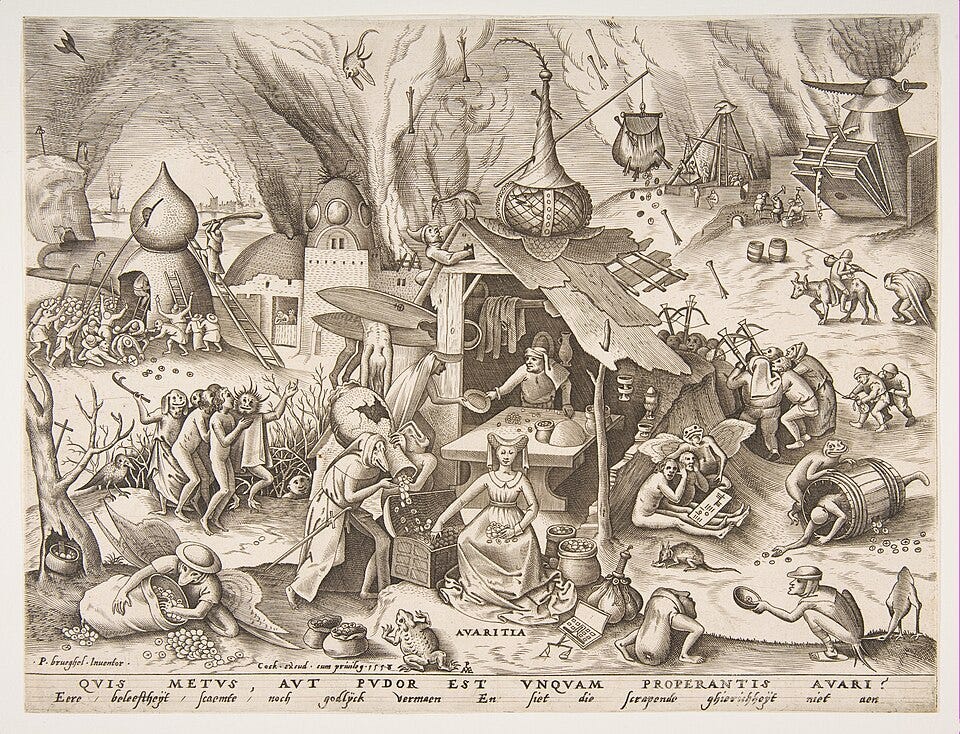
Greed fixates the mind on possessions. It reduces everything to acquisition. Evagrius believed that this kind of obsession with material goods, necessarily breeds anxiety and discontentment, which cloud the mind. Greed makes the material ultimate, which misdirects ones focus from the true ultimate.
6) Gluttony
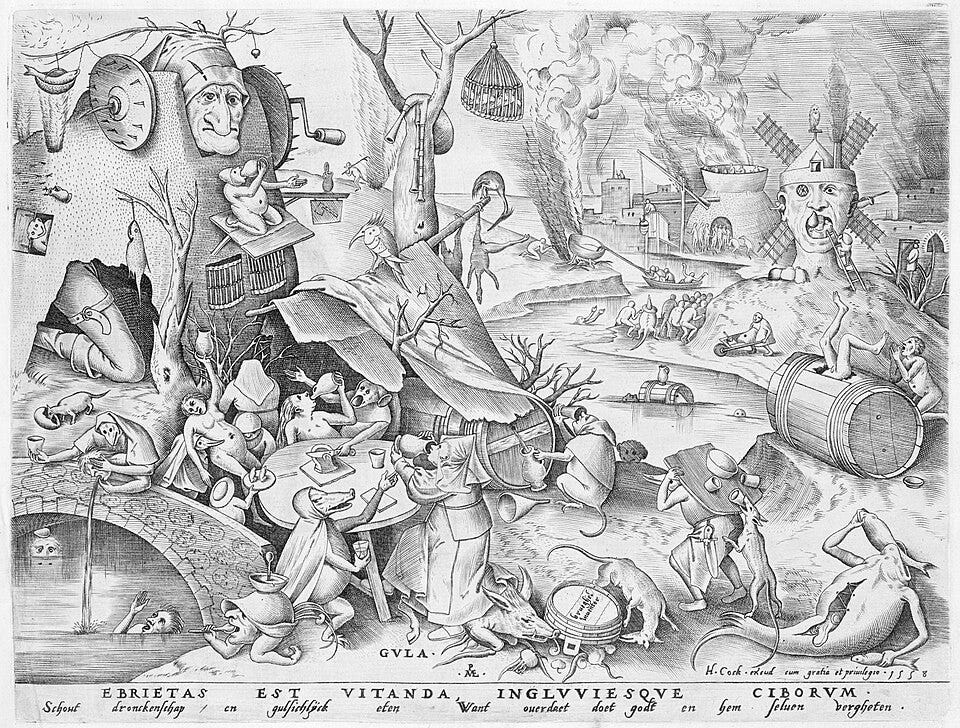
Gluttony is disordered appetite. It is not just excess, but obsession with bodily satisfaction. It anchors the mind in physical sensation. As greed is to acquisition, gluttony is to consummation. It is like a chain that keeps us entranced in the vision of our next meal and prevents the mental freedom and clarity needed for true prayer and connection.
7) Lust
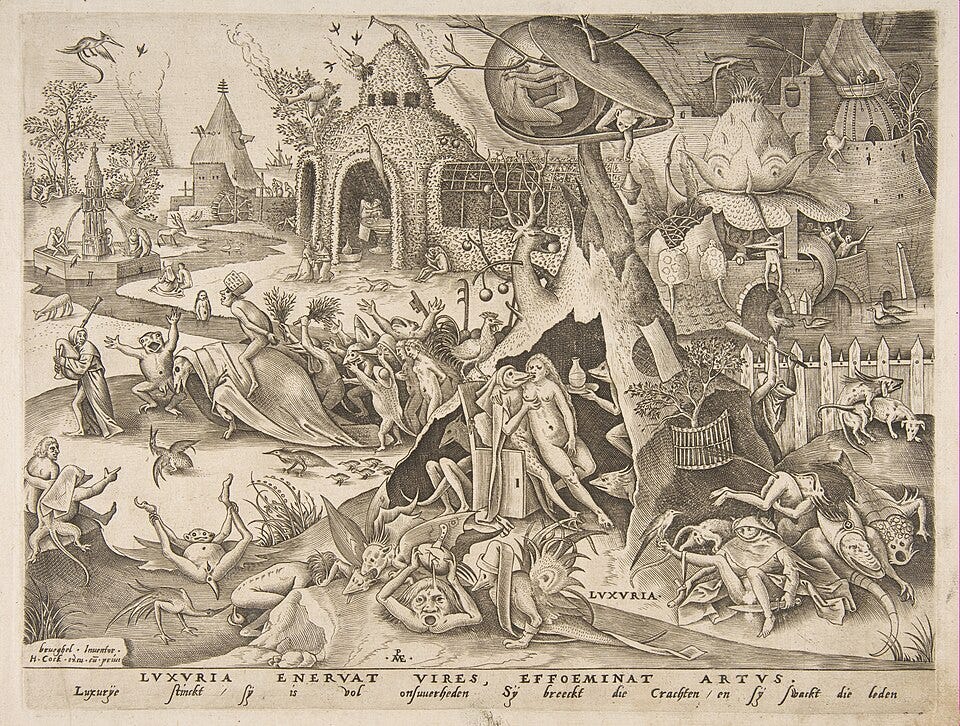
Lust reduces people to objects of use. It replaces love with appetite. For Evagrius, lust scatters the imagination, fills it with images and makes the purity of the mind impossible.
The Commonality
All of these sins have one thing in common- they block our connection with God. They distort our perception.
Pride closes the heart to God.
Envy resents the gifts of God.
Wrath rejects the peace of God.
Sloth/Acedia neglects communion with God.
Greed substitutes wealth for God.
Gluttony prefers appetite to God.
Lust separates desire from God.
Evagrius believed that God was the source of all goodness, truth, and beauty. So to be enslaved by these sins, was to cut yourself off from goodness, truth, and beauty. Avoiding these sins was never about following some arbitrary rules set forth by a petty God wishing to entrap you and send you to hell. They were a guide to truly living your best life. A life in communion with God. A life filled with truth, goodness, and beauty. A deeply meaningful and purposeful life within the context of an enchanted world.
The Seven Heavenly Virtues
If these sins block communion, their opposites should restore communion. Thomas Aquinas, in Summa Theologica, explains that virtues are often the opposites of vices. Later medieval theologians simplified Aquinas’ reasoning into more memorable oppositions to the seven sins. These were known as the “Seven Heavenly Virtues”
Pride → Humility
Envy → Kindness
Wrath → Patience
Sloth → Diligence
Greed → Charity
Gluttony → Temperance
Lust → Chastity
There is a deep theological structure of this paradigm- vice versus virtue. It is that all sin is disordered love. All virtue is love rightly ordered. To live in accordance with these virtues is to restore love toward its proper end, God.
“When the miser prefers his gold to justice, it is not because the gold is evil, but because he loves it wrongly.” -St. Augustine
It is not wealth that is bad, it is the disordered love toward it known as greed.
“Every sin consists in an inordinate desire for some temporal good.” -St. Thomas Aquinas
The virtuous life is one unblinded by the chains of vice. Therefore the Seven Deadly Sins were never about fear. They were about vision.
They name the patterns that distort our love and turn us away from God.
The virtues, rightly ordered love, draws us back to the source of goodness, truth, and beauty.